
Seasonal painting guide · · 3-minute read
Fall Painting in New England: What to Tackle Before Winter
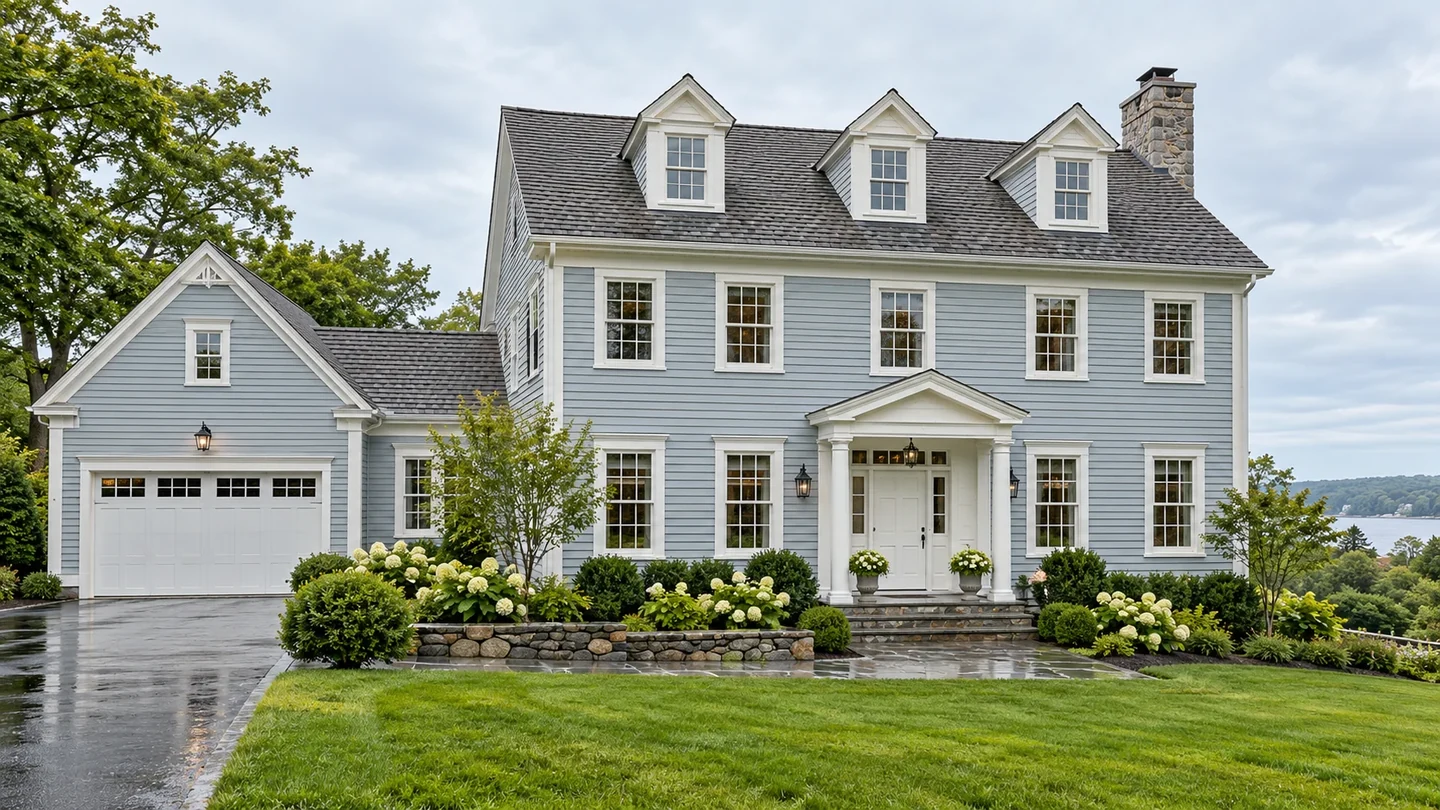
Fall brings a different pace to a New England home. The porch gets a little quieter, the windows close more often, and rooms that felt fine all summer start to attract a second look. It is a useful time to plan painting work, but the best project depends on the condition of your surfaces and the weather ahead.
For homeowners in Massachusetts, Rhode Island and New Hampshire, a thoughtful fall plan balances outdoor opportunities with indoor improvements. Here is how to decide what deserves attention before winter.
Let the weather guide exterior painting
A pleasant afternoon does not tell the whole story. Exterior painting depends on air and surface temperatures, moisture and the conditions while the coating dries. Cooler nights, dew and rain can change a project’s timing even when the daytime forecast looks inviting.
The selected paint’s label and technical guidance should determine suitable application conditions. Surfaces also need to be dry and properly prepared. Rather than choosing a deadline first, ask your painter which parts of the project fit the forecast and whether some work should wait for a better weather window.
This is especially helpful when planning exterior painting across several sides of a house, where shade and exposure can differ.
Give doors, trim and porch details a closer look
You may not need a whole-house repaint to make a meaningful improvement. A worn front door, tired window trim or peeling porch details can become the focus of a smaller, clearly defined project.
Consider door painting and refinishing or refreshing porch columns and balustrades when the surrounding finish is still in good condition. These details help the entrance feel coordinated, but they still need the same attention to preparation and drying conditions as larger surfaces.
Put preparation and repairs before fresh color
Before choosing a shade, look for loose paint, open joints, soft wood and recurring stains. Take clear photographs and explain where you have noticed moisture or damage. A new coat should follow an assessment of the surface, rather than cover a problem that will reappear.
Discuss what exterior surface preparation is included and whether repairs need to happen first. If painting must wait, a clear plan for addressing the underlying condition gives you a more useful starting point for the next suitable season.
Bring the refresh indoors
Fall is also a natural time to reconsider the rooms you use every day. Scuffed hallways, marked ceilings and trim that no longer looks crisp can make an otherwise comfortable home feel unfinished.
Interior painting can connect those spaces with a consistent palette. For a more focused change, consider cabinet painting and refinishing or laundry room painting. Share how you use the room, what furniture or belongings need protection, and any dates when the space needs to be available.
Choose the project that fits your priorities
If your exterior finish is sound but the entrance looks tired, start with doors and trim. If paint is peeling or wood feels soft, start with an assessment and preparation. If outdoor conditions are unsuitable, move an interior room to the top of your list. The right plan matches the work to your home’s condition, rather than rushing to finish everything before winter.
Start with a clear estimate
Choose your highest-priority surfaces, take photos and note your town and state. Tell us whether your goal is a color change, a fresh finish or help with worn areas. Those details make the first conversation more useful and help define the scope.
Brush Strokes and Beyond Painting serves homeowners in Massachusetts, Rhode Island and New Hampshire. Let’s discuss a fall painting plan that suits your home, your priorities and the conditions for the work.
Call 774-205-1131 or email estimates@bsabpainting.com.
Weather guidance: Benjamin Moore’s painting temperature guide and Sherwin-Williams’ exterior application FAQs.